Key Takeaways
- Frequent breaker trips and flickering lights are early warning signs that your home’s electrical system may be struggling to meet current energy demands.
- Older electrical systems may no longer support modern lifestyles, especially if you’ve added high-powered appliances, smart home technology, or electric vehicle charging.
- Burning smells, buzzing sounds, rust, or excessive heat around the panel require immediate professional attention because they can indicate serious safety hazards.
- Major home renovations and appliance upgrades should include an evaluation of your electrical capacity to ensure your system can safely handle the increased load.
- Expanding electrical needs require room for additional circuits, making adequate panel capacity essential for future home improvements and technology upgrades.
- Electrical panel work should always be performed by qualified professionals, as it involves high-voltage components, code compliance, and significant safety risks.
- Upgrading your home’s electrical system improves safety, reliability, and long-term value, while preparing your property for future energy demands.
Your home’s electrical system is responsible for powering nearly every aspect of modern living. From kitchen appliances and entertainment systems to HVAC equipment and smart home devices, the demand placed on residential electrical systems has grown significantly over the years. While many homeowners focus on replacing light fixtures, outlets, or appliances, one critical component is often overlooked: the electrical panel.
An electrical panel serves as the central distribution point for electricity throughout your home. It manages the flow of power to every circuit while protecting your household from overloads and electrical hazards. However, like any major home system, electrical panels can become outdated, worn, or inadequate for today’s energy demands. Ignoring warning signs can lead to frequent power interruptions, costly repairs, damaged electronics, and even serious safety risks. Understanding when your electrical panel may need an upgrade can help you make informed decisions that improve your home’s safety, efficiency, and long-term value.
Why is Your Electrical Panel So Important?
Although many homeowners rarely think about their electrical panel until something goes wrong, it performs one of the most important jobs in the house. Every light switch, outlet, appliance, and electronic device depends on the panel to safely distribute electricity. As homes continue to add larger appliances, home offices, electric vehicle chargers, and smart technologies, the electrical panel must keep pace with increasing electrical demand. An outdated or undersized panel may struggle to support these modern requirements, creating both inconvenience and potential hazards. Understanding the role of your electrical panel provides valuable context for recognizing when it’s time to consider an upgrade.
An electrical panel:
- Receives electricity from your utility provider.
- Distributes power to different circuits throughout your home.
- Protects wiring from dangerous overloads.
- Shuts off power automatically when a circuit becomes unsafe.
- Helps maintain consistent electrical performance throughout the property.
If the panel can no longer perform these tasks effectively, your home’s electrical system becomes increasingly vulnerable to problems.
How Long Does an Electrical Panel Typically Last?
Electrical panels are built to last for decades, but they are not designed to last forever. Even well-maintained panels eventually become outdated as electrical codes evolve and household energy demands increase. Many homes built several decades ago were never intended to support today’s number of electronics, large appliances, and specialized equipment. As components age, wear and tear can also affect their ability to operate safely and efficiently. Understanding the expected lifespan of an electrical panel helps homeowners determine whether age alone may justify a closer inspection, even if obvious problems have not yet appeared.
Most electrical panels have an expected lifespan of approximately 25 to 40 years, depending on:
- Installation quality
- Maintenance history
- Local climate and moisture exposure
- Electrical usage
- Manufacturer quality
Even if an older panel appears to function normally, its capacity may no longer match the electrical demands of a modern household.
Are Your Circuit Breakers Tripping Frequently?
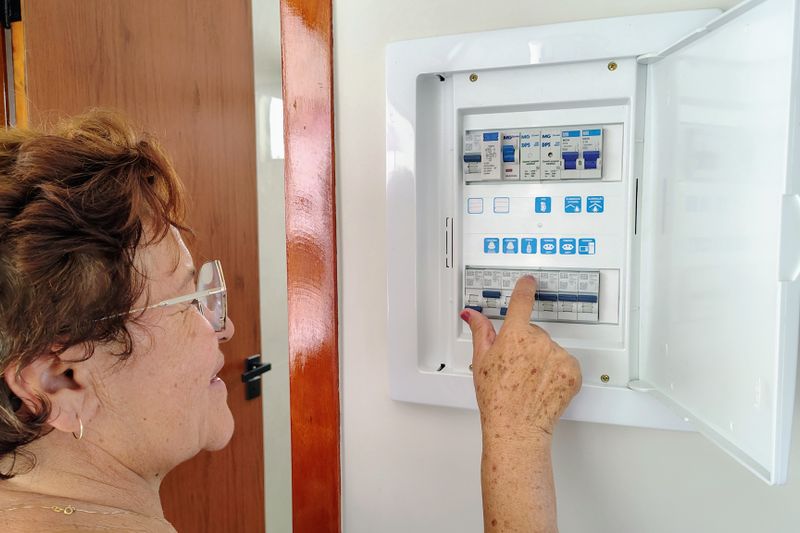
One of the earliest and most common warning signs of an inadequate electrical panel is repeated circuit breaker trips. Breakers are designed to protect your home by interrupting the flow of electricity whenever a circuit becomes overloaded or develops a fault. While an occasional trip is normal, frequent interruptions often indicate that the panel is struggling to handle your home’s electrical usage. Instead of viewing recurring breaker trips as a simple annoyance, homeowners should consider them an important signal that the electrical system deserves closer evaluation before more significant problems develop.
If you constantly find yourself resetting breakers, your electrical panel could be signaling that it cannot handle your home’s power demands.
Frequent breaker trips may result from:
- Multiple high-powered appliances operating simultaneously
- Aging breakers losing reliability
- Increased electrical usage over time
- Insufficient panel capacity
- Internal panel damage
Although individual circuit issues can also cause breaker trips, widespread or recurring problems often indicate the need for a larger, more capable panel.
Do Your Lights Flicker or Dim Unexpectedly?
Many homeowners dismiss flickering lights as a minor inconvenience, especially if the issue only occurs occasionally. However, when lights consistently dim or flicker while major appliances operate, the problem may point to an electrical panel that is struggling to distribute power effectively. These fluctuations occur because high-demand equipment competes for limited electrical capacity, causing voltage drops throughout the home. While loose connections or faulty fixtures can also contribute to lighting issues, widespread or recurring flickering should never be ignored, as it may indicate a larger electrical concern.
Watch for situations where:
- Lights dim when the microwave starts.
- Ceiling lights flicker during air conditioner operation.
- Bathroom lights blink when the hair dryer runs.
- Multiple rooms experience brief voltage fluctuations.
These symptoms often indicate that your panel lacks sufficient capacity to distribute electricity efficiently.
Is Your Home Still Using an Older Fuse Box?
Many older homes still rely on fuse boxes rather than modern circuit breaker panels. While fuse boxes were once the standard for residential electrical systems, they were designed for a time when households consumed far less electricity than they do today. Modern families typically operate numerous electronic devices, large kitchen appliances, HVAC systems, and other equipment that place far greater demands on electrical infrastructure. Continuing to rely on an aging fuse box may limit your home’s electrical capacity while making maintenance and repairs more challenging.
Older fuse boxes present several concerns:
- Lower electrical capacity
- Replacement fuses instead of resettable breakers
- Increased maintenance
- Limited compatibility with modern appliances
- Difficulty meeting current electrical standards
Replacing a fuse box with a modern breaker panel often improves both convenience and overall electrical safety.
Are You Adding New Appliances or Major Equipment?
Home improvement projects often focus on aesthetics or functionality, but electrical capacity should also be part of the planning process. Installing new appliances, expanding living spaces, or adding specialized equipment increases the amount of electricity your home must safely distribute. If your existing panel was already operating near its maximum capacity, these additions can place significant strain on the system. Evaluating your electrical panel before undertaking major upgrades helps ensure your home is prepared to support new technology without creating unnecessary safety risks or performance issues.
Modern additions that increase electrical demand include:
- Electric vehicle chargers
- Hot tubs
- Home additions
- HVAC upgrades
- Electric water heaters
- Induction cooktops
- Home offices
- Workshop equipment
A panel upgrade helps ensure your electrical system can safely accommodate these additions.
Are There Not Enough Available Circuit Breakers?
As households evolve, additional circuits are often needed to support new rooms, appliances, and electronics. Unfortunately, many older electrical panels have limited space for expansion. Homeowners may discover that every breaker slot is already occupied, making it difficult to safely add new circuits when needed. In some cases, previous modifications may have resulted in overcrowded panels or creative workarounds that no longer meet current safety expectations. A lack of available breaker space is often a practical sign that the electrical system has reached its intended capacity.
If your panel has no room for additional breakers, homeowners sometimes resort to temporary solutions that may increase electrical risk.
Warning signs include:
- Double-tapped breakers
- Overcrowded wiring
- Multiple extension cords
- Heavy reliance on power strips
- Frequent use of outlet splitters
An upgraded panel provides additional circuit capacity while supporting future expansion.
Do You Notice Burning Smells or Heat Around the Panel?
Electrical systems should operate quietly and without producing noticeable heat or unusual odors. If you detect a burning smell near your electrical panel or notice that the panel feels unusually warm, these warning signs require immediate attention. Heat typically develops when electrical components become overloaded, connections loosen, or internal parts begin to deteriorate. Left unresolved, excessive heat can damage wiring, compromise breaker performance, and significantly increase the risk of electrical fires. Any unusual odor or temperature change around the panel should be treated as a serious safety concern.
Call an electrician immediately if you notice:
- Burning odors
- Melted insulation
- Warm panel surfaces
- Scorch marks
- Discolored breakers
These symptoms may indicate dangerous electrical faults requiring prompt professional inspection.
Have You Experienced Buzzing or Crackling Sounds?
Unlike appliances that naturally produce operating sounds, an electrical panel should remain virtually silent during normal use. Buzzing, humming, or crackling noises often suggest that electricity is not flowing properly through the panel. Loose electrical connections, damaged breakers, or arcing inside the panel can all produce unusual sounds that indicate underlying problems. Because electrical arcing generates extreme heat, these noises should never be ignored. Addressing the issue early can help prevent equipment damage while reducing the likelihood of more serious electrical failures.
Possible causes include:
- Loose connections
- Damaged breakers
- Internal arcing
- Faulty bus bars
- Electrical corrosion
These issues should always be evaluated by a licensed electrician.
Is Rust or Moisture Present Inside the Panel?
Moisture and electricity create a dangerous combination that can quickly compromise the safety and reliability of an electrical panel. Even small amounts of water intrusion may lead to corrosion, damaged components, and reduced electrical performance over time. Rust inside the panel often indicates ongoing exposure to moisture, whether from plumbing leaks, condensation, flooding, or exterior water infiltration. Because corrosion affects critical electrical connections, homeowners should never assume that a rusty panel remains safe simply because it still appears to function normally.
Signs of moisture damage include:
- Rust on breakers
- Corrosion around terminals
- Water stains
- Condensation
- Mineral deposits
Water exposure often accelerates electrical deterioration and may require panel replacement.
Does Your Home Still Have an Undersized Electrical Service?
Electrical service capacity refers to the total amount of electricity your home can safely receive from the utility company. Older homes commonly have 60-amp or 100-amp service, which was sufficient when household electrical demands were much lower. Today’s homes frequently require 200 amps or more to comfortably support multiple appliances, heating and cooling systems, entertainment equipment, and emerging technologies. If your home’s electrical service has not kept pace with modern living, upgrading the panel can provide greater flexibility while reducing strain on the entire electrical system.
Many older homes have:
- 60-amp service
- 100-amp service
Today’s households often benefit from:
- 200-amp service
- Greater appliance capacity
- Improved flexibility
- Room for future additions
Your electrician can determine the appropriate service size based on your home’s electrical load.
Have You Recently Purchased an Older Home?
Buying an older home often comes with unique charm, established neighborhoods, and distinctive architectural features. However, many older properties also contain aging electrical systems that may not meet modern expectations. Even if the previous owners experienced few electrical issues, decades-old panels may have hidden wear, outdated technology, or insufficient capacity for today’s lifestyles. A thorough electrical inspection shortly after purchasing an older home can identify whether the existing panel remains suitable or whether an upgrade would improve both safety and functionality.
Consider an inspection if your home was built before the 1990s and still has its original panel.
An electrician may identify:
- Obsolete equipment
- Recalled panel models
- Capacity limitations
- Unsafe modifications
- Wiring deficiencies
Addressing these issues early can help avoid future emergencies.
Are Your Home Renovations Increasing Electrical Demand?
Home renovations frequently involve much more than cosmetic improvements. Expanding kitchens, finishing basements, converting garages, or building home additions often requires new lighting, outlets, appliances, and dedicated circuits. While homeowners typically focus on selecting materials and layouts, it’s equally important to determine whether the existing electrical panel can safely support the added demand. Failing to upgrade the panel when necessary may result in overloaded circuits, unreliable performance, and limitations that affect future improvements. Planning electrical capacity alongside renovation projects helps ensure lasting functionality.
Projects that often require panel evaluation include:
- Kitchen remodels
- Finished basements
- Room additions
- Detached garages
- Outdoor kitchens
- Swimming pools
Completing electrical upgrades before renovation work often reduces costs and simplifies installation.
Should You Attempt Electrical Panel Work Yourself?
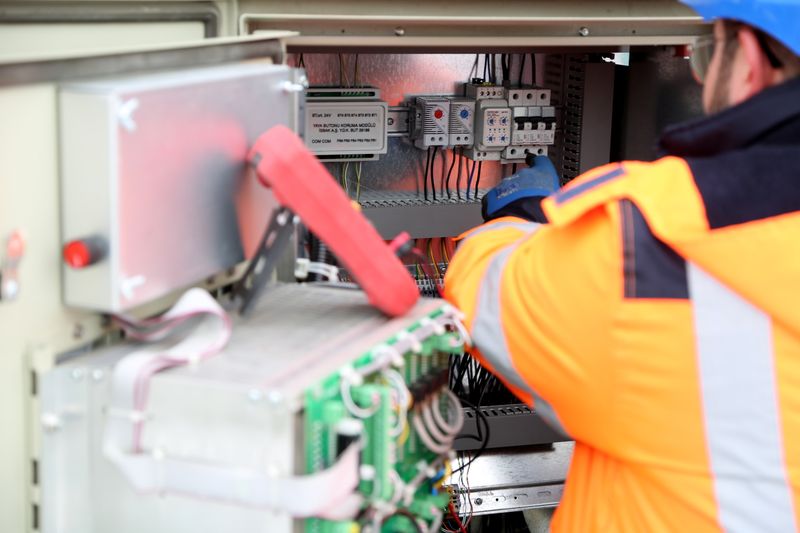
Electrical panel work involves direct exposure to high-voltage components that remain energized even when individual breakers are turned off. Because of the serious risks involved, panel upgrades require specialized knowledge, proper equipment, and compliance with local electrical codes. While some homeowners enjoy tackling improvement projects themselves, work involving the main electrical panel should generally be left to qualified professionals. Understanding the difference between minor electrical maintenance and major electrical system modifications helps protect both your household and your property.
Understanding the difference between DIY and professional electrical repair is essential when dealing with your home’s electrical system.
Homeowners can often safely perform minor tasks such as:
- Replacing light bulbs
- Resetting tripped breakers
- Installing approved light fixtures (where permitted)
- Testing GFCI outlets
However, panel upgrades involve:
- Utility coordination
- High-voltage connections
- Permit requirements
- Code compliance
- Specialized safety procedures
Attempting panel replacement without proper qualifications can result in serious injury, electrical fires, or expensive damage.
What are the Benefits of Upgrading Your Electrical Panel?
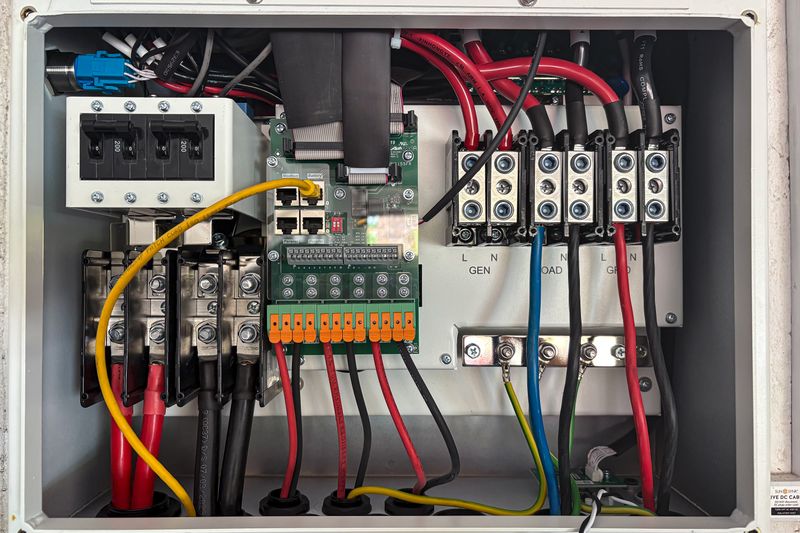
While many homeowners initially consider an electrical panel upgrade because of existing problems, the advantages extend well beyond solving immediate issues. A modern electrical panel provides greater capacity, improved reliability, and better support for today’s increasingly connected homes. It can also simplify future remodeling projects, accommodate new technologies, and reduce the likelihood of unexpected electrical interruptions. Investing in an upgraded panel is often a proactive step that enhances both everyday convenience and long-term property value while creating a stronger foundation for future electrical needs.
Some of the biggest advantages include:
- Increased electrical capacity
- Improved home safety
- Reduced breaker trips
- Better appliance performance
- Support for EV charging
- Easier home expansion
- Greater resale appeal
- Compliance with current electrical standards
These improvements can provide peace of mind while preparing your home for future energy needs.
How Can You Prepare for an Electrical Panel Upgrade?
Planning ahead can make an electrical panel upgrade much smoother and minimize disruptions to your daily routine. Although the work itself is typically completed by licensed professionals, homeowners still play an important role in preparing the property. Understanding what to expect before installation helps streamline the process, ensures easier access for electricians, and allows you to plan for temporary power interruptions. Taking a few simple steps beforehand can help the project proceed efficiently while supporting a safe and successful installation.
Before work begins:
- Schedule a professional electrical inspection.
- Discuss your current and future electrical needs.
- Identify planned renovations or appliance additions.
- Ask about permits and inspection requirements.
- Prepare for temporary power outages during installation.
Proper planning ensures your upgraded panel will meet both your current lifestyle and future expansion plans.
Conclusion
Your electrical panel is the foundation of your home’s entire electrical system, quietly managing the safe distribution of power every day. As homes become more dependent on modern appliances, advanced technology, and increased energy usage, older panels may struggle to keep up. Warning signs such as frequent breaker trips, flickering lights, overheating, unusual noises, limited circuit capacity, and aging equipment should never be ignored.
Recognizing these indicators early allows homeowners to address potential issues before they become costly or dangerous. An upgraded electrical panel not only improves safety and reliability but also prepares your home for future improvements, higher electrical demands, and evolving technologies. If you’ve noticed any of these warning signs, scheduling a professional electrical inspection is the best way to determine whether an upgrade is the right solution for your home.