Electrical problems can affect the safety, comfort, and functionality of any home. Whether you’re dealing with a tripped circuit breaker, flickering lights, faulty outlets, or outdated wiring, it’s important to understand which electrical repairs are safe to handle yourself and which require the expertise of a licensed electrician. Making the right decision can help prevent accidents, protect your home’s electrical system, and avoid costly damage.
While many homeowners enjoy completing DIY home improvement projects, electrical work requires careful consideration. Simple tasks such as replacing a light switch cover or resetting a breaker may be manageable with the proper precautions, but more complex repairs involving wiring, electrical panels, or circuit modifications can pose serious safety risks if performed incorrectly. Knowing the limits of DIY electrical repair is essential for protecting your family and ensuring your home complies with electrical codes.
Hiring a professional electrician may involve a higher upfront cost, but it often provides greater peace of mind through expert diagnosis, code-compliant workmanship, and long-lasting solutions. Professional electrical repairs can also help identify hidden issues before they become larger safety hazards, reducing the risk of electrical fires, equipment damage, or power failures.
This guide explains the key differences between DIY and professional electrical repair, outlines common household electrical issues, and provides practical advice on when it’s appropriate to handle a repair yourself and when it’s best to call a qualified electrician. By understanding the risks, benefits, and best practices of each approach, homeowners can make informed decisions that keep their homes safe, efficient, and reliable.
Start by Evaluating the Severity of the Electrical Problem
The first step in deciding whether to handle a problem yourself is understanding what type of issue you are dealing with. Some electrical issues are relatively simple and may only require minor troubleshooting, while others involve deeper problems within the wiring system that should never be addressed without professional training.
A basic electrical repair might involve replacing a light switch, resetting a tripped breaker, or installing a new light fixture. These small tasks can sometimes be completed by homeowners who have the proper knowledge and take the necessary precautions. However, more complicated problems—such as outlets that spark, repeated circuit overloads, or wires that feel warm to the touch—should immediately raise concern.
Another important factor to consider is whether you have the correct electrical tools and understand how to use them properly. Many electrical tasks require specialized equipment designed to test voltage, strip wires safely, and secure connections. Without the right tools, it becomes much harder to determine the source of the problem or perform a repair correctly.
Some signs that a problem may be more serious include:
- Breakers that trip repeatedly without an obvious cause
- Lights dimming when appliances are turned on
- Burning odors near outlets or switches
- Electrical buzzing or crackling sounds from walls
- Outlets that no longer hold plugs securely
These warning signs often indicate deeper electrical issues that extend beyond the visible components. While it can be tempting to attempt a quick fix, addressing the underlying cause is essential for maintaining safety.
Homeowners who understand the difference between minor issues and major system failures are far more likely to make the right decision about how to proceed. Taking the time to evaluate the problem carefully can prevent unnecessary risks and ensure the repair is handled correctly.
Understand Which Tasks are Safe for DIY and Which are Not
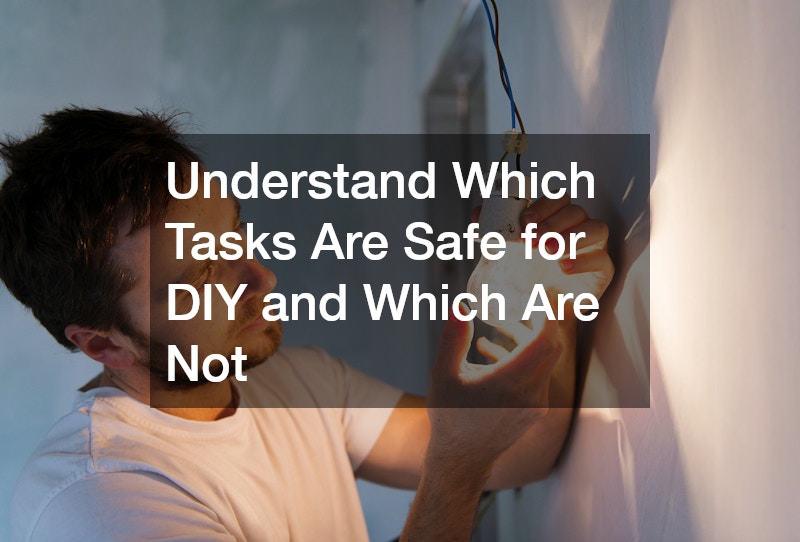
Many homeowners are capable of completing small electrical tasks with the proper preparation. However, knowing where to draw the line is critical. Professional electricians spend years learning how electrical systems function, how to diagnose complex problems, and how to ensure that installations meet safety codes.
Some simple projects may be manageable for homeowners who are comfortable working with basic wiring. These can include replacing light fixtures, installing ceiling fans, or swapping out damaged outlets. Even with these tasks, power must always be shut off at the breaker panel before beginning work.
Situations that usually require professional electricians include problems involving the electrical panel, damaged wiring hidden inside walls, or systems that repeatedly fail despite repairs. Attempting to fix these issues without experience can result in additional damage or dangerous conditions.
Hiring a local electrician is especially important when the problem affects multiple areas of the home. Electrical systems are interconnected, and a malfunction in one circuit may actually originate somewhere else in the system. A trained professional can trace the issue and ensure that all components are functioning properly.
A local electrician can also ensure that repairs comply with local building codes and safety standards. These regulations exist to protect homeowners from fire hazards and structural damage caused by improper electrical work.
Knowing when to step back and call a professional is not a sign of failure as a homeowner. In many cases, it is the safest and most responsible decision you can make.
Recognize When Technical Expertise is Required for Complex Systems
Electrical systems in modern homes are far more complicated than they were in previous generations. Between smart home technology, energy-efficient appliances, and advanced heating and cooling systems, electrical networks now support a wide range of interconnected devices.
In certain cases, diagnosing electrical problems requires the analytical skills of an electrical engineer. Engineers are often involved when electrical systems need to be redesigned, expanded, or integrated with other infrastructure. While this level of expertise is not required for most household repairs, it becomes essential when dealing with large properties, specialized equipment, or commercial systems.
Another situation where professional expertise becomes critical is during equipment repair. Many appliances rely on internal electrical components that interact with the home’s wiring system. If a malfunction occurs within the equipment itself, simply replacing a breaker or outlet will not solve the problem.
For example, malfunctioning HVAC systems, industrial-grade appliances, or high-capacity power tools often require careful diagnostics to determine whether the issue originates within the equipment or the electrical supply. Attempting to repair these systems without the proper understanding can damage both the appliance and the home’s electrical infrastructure.
Professionals who specialize in complex electrical systems have the training to evaluate how different components interact with one another. Their ability to diagnose root causes rather than symptoms ensures that repairs address the actual problem instead of temporarily masking it.
Signs Your Home May Need a System Upgrade Instead of a Simple Fix
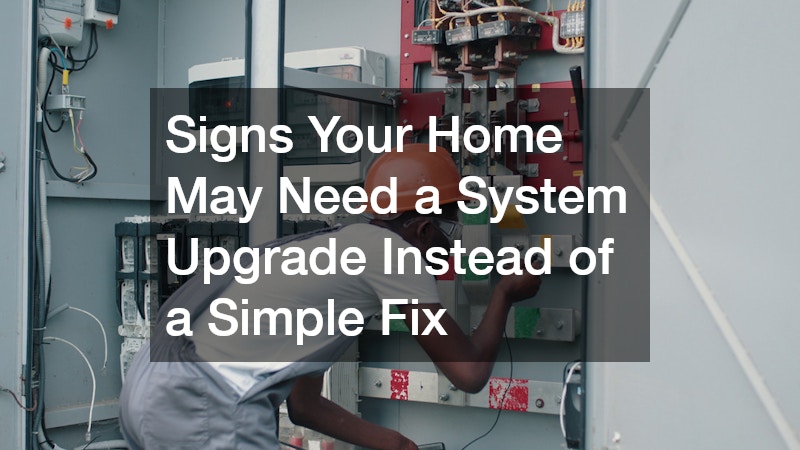
Sometimes electrical issues are not caused by a single faulty component but by an outdated or overloaded electrical system. Homes built decades ago were designed to handle far fewer appliances than modern households require. Today’s homes often include multiple televisions, computers, kitchen appliances, and smart devices that place heavy demands on the electrical infrastructure.
When a home consistently struggles to meet these demands, an electrical service upgrade may be necessary. Upgrading the service panel allows the home to safely distribute more power across multiple circuits without overloading the system.
Some warning signs that your home may need an upgrade include:
- Frequent circuit breaker trips
- Limited number of outlets in each room
- Use of multiple extension cords or power strips
- Older fuse-based electrical panels
- Difficulty running multiple appliances simultaneously
A professional contractor service can evaluate whether your home’s electrical system is capable of supporting modern energy demands. In many cases, upgrading the service panel improves safety while also increasing the home’s resale value.
Upgrading electrical infrastructure may seem like a major investment, but it often prevents recurring repair costs and reduces the likelihood of dangerous electrical failures. When power demands exceed system capacity, small issues can quickly escalate into serious hazards.
Prioritize Safety Before Attempting Any Electrical Work
Safety should always be the top priority when working with electricity. Even minor electrical repairs can become dangerous if the proper precautions are not taken.
Before beginning any electrical task, homeowners should make sure they have the appropriate safety apparel designed to reduce the risk of electrical shock or burns. Protective gloves, insulated footwear, and safety glasses provide an important layer of protection when working near live circuits.
Preparation is equally important. Power should always be turned off at the breaker panel before starting work. Once the power is disconnected, voltage testers should be used to confirm that no electricity is flowing through the circuit.
In addition to wearing proper safety apparel, homeowners should ensure that all electrical tools are in good condition and designed specifically for electrical work. Tools with insulated handles help protect against accidental shocks and allow for safer handling of wiring components.
Working in well-lit environments and keeping tools organized also reduces the likelihood of mistakes. Electrical work often involves small components and precise connections, so maintaining focus and avoiding distractions is essential.
Even experienced DIY enthusiasts should never rush electrical projects. Taking the time to follow safety procedures can make the difference between a successful repair and a dangerous accident.
Understand How Electrical Systems Connect With Other Home Systems
Electrical systems rarely function in isolation. They are closely connected to many other systems throughout the home, including heating, ventilation, air conditioning, plumbing equipment, and major appliances.
Because of this, electrical repairs often intersect with other areas of construction and mechanical work. Professionals involved in mechanical contracting frequently coordinate with electricians to ensure that systems such as HVAC units receive the correct electrical connections and power supply.
For example, installing a new heating or cooling unit may require modifications to electrical circuits or control systems. Similarly, water heaters, ventilation systems, and large appliances rely on stable electrical connections to function safely.
When electrical problems affect these systems, equipment repair may involve collaboration between multiple specialists. An electrician may diagnose wiring problems while mechanical professionals evaluate the functionality of the equipment itself.
This collaborative approach ensures that repairs address the entire system rather than focusing on a single component. Understanding how different systems interact can help homeowners recognize when a repair requires multiple areas of expertise.
How to Choose the Right Professional for the Job

When electrical work goes beyond basic troubleshooting, hiring the right professional becomes essential. Not all electricians provide the same services, so homeowners should take the time to research their options carefully.
Licensed electricians have completed formal training and passed certification requirements that demonstrate their knowledge of electrical systems and safety codes. Hiring licensed professionals helps ensure that repairs are completed according to industry standards.
Homeowners should also verify that any contractor service they hire carries proper insurance coverage. Insurance protects both the homeowner and the contractor in the event of accidental damage or injury during the project.
When evaluating electricians, consider asking questions such as:
- How many years of experience do you have with residential electrical systems?
- Are you licensed and insured to perform electrical work in this area?
- Can you provide references from recent projects?
- What is the estimated timeline for completing the repair?
Comparing estimates from multiple professionals can also help homeowners understand the typical cost of a project. While price is an important factor, experience and reputation should play an equally important role in the decision.
Choosing a qualified professional ensures that repairs are completed safely, efficiently, and in compliance with local regulations.
Conclusion
Knowing when to tackle an electrical repair yourself and when to call a professional is an important part of responsible homeownership. While certain basic maintenance tasks may be suitable for experienced homeowners who follow proper safety precautions, more complex electrical work is best left to qualified professionals. Making the right choice helps protect your home, your family, and your investment.
Before beginning any electrical project, take the time to evaluate the complexity of the repair, the potential safety risks, and whether specialized tools or expertise are required. Attempting work beyond your skill level can lead to costly repairs, code violations, or serious hazards. In many cases, hiring a licensed electrician provides the assurance that problems are diagnosed correctly and resolved safely the first time.
Ultimately, electrical repairs should always prioritize safety over convenience or short-term savings. By understanding your limits, recognizing warning signs, and seeking professional assistance when necessary, you can maintain a reliable electrical system that supports your home’s comfort, efficiency, and safety for years to come.